Computational Fluid Dynamics Analysis

Advanced aerodynamic simulation for detailed airflow evaluation and performance prediction

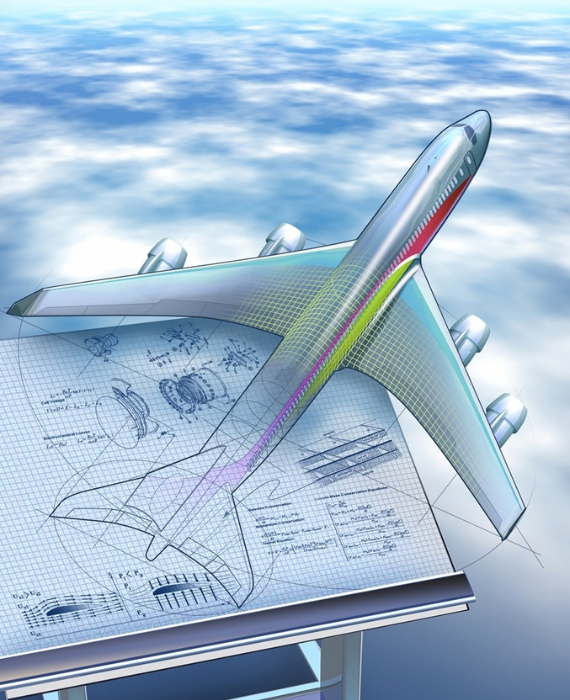
Computational Fluid Dynamics Analysis provides detailed insight into aerodynamic behavior through numerical simulation of airflow around aircraft configurations and components. Using advanced fluid dynamics methods, this service evaluates complex aerodynamic phenomena that influence aircraft performance, including pressure distribution, flow characteristics, lift generation, drag formation, and local aerodynamic effects. CFD analysis enables engineers to investigate aerodynamic performance under a wide range of operating conditions and design scenarios, supporting informed engineering decisions throughout aircraft development. By providing detailed visualization and quantitative assessment of airflow behavior, this service helps identify aerodynamic opportunities, evaluate design alternatives, and improve understanding of aircraft performance characteristics before physical validation activities.

Flow Phenomena Investigation and Aerodynamic Issue Identification

Complex aerodynamic effects can significantly influence aircraft efficiency, stability, and performance. CFD Analysis enables detailed investigation of flow phenomena such as boundary layer development, flow separation, vortical structures, interference effects, and regions of increased aerodynamic losses. These simulations provide visibility into aerodynamic mechanisms that may not be apparent through conventional analysis methods. By identifying areas of inefficient airflow behavior, engineers can evaluate potential causes of performance limitations and assess possible aerodynamic improvements. This capability is particularly valuable for investigating complex geometries, component interactions, and challenging aerodynamic conditions where detailed understanding of local flow behavior is required.

Configuration Comparison and Design Evaluation

Computational Fluid Dynamics Analysis provides a method for comparing aerodynamic design alternatives through consistent numerical evaluation. Different aircraft configurations, component geometries, or aerodynamic modifications can be assessed to determine their relative performance characteristics and identify preferred solutions. Comparative CFD studies may evaluate changes in wing geometry, aerodynamic surfaces, integration features, or configuration parameters to understand their impact on airflow behavior and aerodynamic efficiency. These evaluations support engineering decision-making by providing quantitative comparisons between design options and highlighting the aerodynamic advantages or limitations of each approach. CFD analysis therefore serves as a powerful tool for reducing uncertainty during aircraft aerodynamic development.

High-Lift and Low-Speed Aerodynamic Assessment

Aircraft performance during take-off, landing, and low-speed operation is strongly influenced by aerodynamic behavior at high angles of attack and complex flow conditions. Computational Fluid Dynamics Analysis can be used to evaluate high-lift configurations, control surface effectiveness, and low-speed aerodynamic characteristics. Simulations assess airflow behavior around leading edges, trailing edges, flaps, slats, and other aerodynamic features that contribute to lift generation and controllability. These studies provide engineering insight into lift capability, aerodynamic efficiency, and handling characteristics during critical phases of flight. CFD-based assessment supports the development and refinement of aerodynamic solutions intended to achieve required operational performance and flight envelope objectives.

Engineering Deliverables

Computational Fluid Dynamics Analysis activities are supported by technical outputs that document simulation setup, aerodynamic results, and engineering conclusions. These deliverables provide detailed insight into airflow behavior and support aerodynamic design evaluation and development decisions.


Typical deliverables include:

• CFD simulation setup documentation
• Computational mesh and modelling methodology reports
• Pressure distribution and flow field analysis results
• Lift, drag, and aerodynamic coefficient assessments
• Surface pressure and velocity distribution plots
• Flow visualization and aerodynamic phenomenon analysis
• Configuration comparison and optimization studies
• Aerodynamic performance prediction reports
• Local flow assessment and aerodynamic issue identification reports
• Technical recommendations based on CFD findings

Go To Top